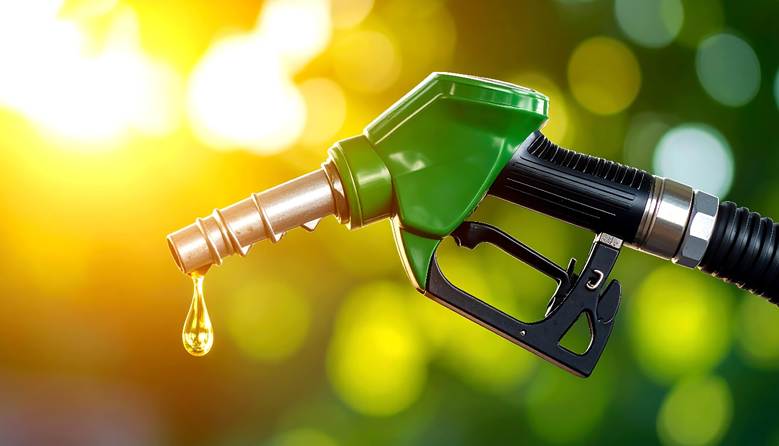
For most Americans, oil prices are something noticed only when pulling into a gas station. Arcadian Resources understands that the glowing numbers at the pump often serve as the most visible reminder of how global energy markets ripple into daily life. Yet the story of falling oil prices is much bigger than what drivers pay per gallon. When oil prices drop, the effects cascade through the economy, freeing up household budgets and influencing how consumers spend, save, and even plan for the future.
The Immediate Relief at the Pump
Gasoline is one of the most visible consumer goods tied directly to oil prices. When crude oil prices decline, gas stations eventually reflect that drop. For families commuting daily, this change translates into noticeable savings. Consider that the average American household spends thousands of dollars each year on transportation fuel. A dip of even 50 cents per gallon can mean hundreds of dollars in annual savings.
These extra dollars act like an instant pay raise—one that doesn’t require extra hours at work or changes in lifestyle. For lower- and middle-income households especially, where fuel makes up a higher share of monthly expenses, the relief can be particularly meaningful.
The Ripple Effect: Where the Savings Go
The dollars not spent at the gas station don’t vanish; they are redirected. Some consumers choose to pocket their savings, building up emergency funds or paying down credit card debt. Others spend more freely, boosting retail sales, dining out more often, or upgrading personal purchases they might have delayed when fuel costs were high.
- Retail and Dining: Restaurants, clothing stores, and online retailers often see a bump in sales when gas prices dip. Families feel more comfortable grabbing dinner out or splurging on discretionary items.
- Travel and Leisure: Lower gas prices make road trips more affordable. Families may be more likely to plan vacations, visit relatives, or attend events when fuel is less of a financial burden.
- Big-Ticket Purchases: With extra room in their budgets, consumers may choose to invest in larger items, such as home appliances, electronics, or even cars.
In essence, lower oil prices shift consumer psychology. Confidence grows when people feel their wallets stretching further.
Broader Economic Stimulus
When millions of households simultaneously experience this kind of relief, the impact can stimulate the economy on a larger scale. More consumer spending boosts demand for goods and services, helping businesses from local shops to national chains. This ripple effect can support job creation and revenue growth across multiple sectors.
Additionally, industries that rely heavily on fuel—like airlines, shipping companies, and logistics providers—often pass along some of their own savings. Lower operating costs may translate to more affordable airfare, reduced shipping charges, or competitive retail prices, all of which enhance consumer purchasing power.
A Tale of Two Consumers
It’s important to note that not all households respond to falling fuel prices in the same way. For some, the freed-up cash provides breathing room for essentials—groceries, rent, or medical bills. For others, it sparks indulgence in luxuries that were once out of reach.
In wealthier households, the relative savings from lower gas prices may feel modest compared to overall income. Yet even small shifts in spending habits across millions of households can add up. In contrast, lower-income families often see a proportionally larger benefit, as fuel costs eat up a greater share of their budgets. This means falling oil prices can help narrow financial strain for those who need relief most.
The Flip Side: Cautionary Notes
While falling oil prices may feel like good news for consumers, the broader picture has complexities. Lower prices can signal weak global demand, hinting at economic slowdowns abroad. They can also pressure domestic oil producers, particularly in regions reliant on energy jobs. For communities tied closely to oil drilling and refining, declining prices may lead to layoffs and reduced local spending, tempering some of the consumer benefits elsewhere.
Moreover, because oil prices are volatile, consumers should be cautious about overextending themselves financially during periods of cheaper fuel. A sudden spike in crude prices can quickly erase the extra cushion in household budgets.
Psychological and Lifestyle Shifts
There’s also a behavioral aspect worth noting. When gas is expensive, many drivers consolidate trips, carpool more often, or cut back on discretionary travel. Lower prices, conversely, can lead to increased driving and reduced pressure to conserve fuel. That change not only affects consumer habits but also has environmental implications, influencing demand for vehicles, public transportation, and even clean energy solutions.
At the same time, the sense of financial relief can encourage optimism. Consumer confidence indices often rise when energy prices fall, reflecting a collective belief that households have more freedom to spend on the things they enjoy rather than just covering necessities.
Beyond the Pump
The lesson here is clear: oil prices, though often discussed in abstract global terms, touch lives in intimate ways. A change of a few dollars per barrel can shape how families budget for groceries, whether they plan a summer vacation, or even how secure they feel about their financial future.
For Americans, the pump is just the starting point. Lower oil prices ripple outward, influencing decisions in the checkout line, the travel booking app, and even long-term financial planning. In a consumer-driven economy, those redirected dollars collectively fuel growth, shaping the rhythm of everyday life far beyond the gas station.
Final Thoughts
The next time gas prices dip noticeably, it’s worth remembering that the story extends far beyond saving a few dollars on a fill-up. Cheaper oil is, in essence, a redistribution of consumer spending power—an invisible hand guiding money from the energy sector into restaurants, shops, travel plans, and savings accounts.
Oil prices may be set by global markets, but their effects are deeply local, personal, and immediate. For households, they can mean the difference between stretching every dollar and enjoying a little extra room to breathe. For the economy, they serve as a reminder of how interconnected our spending truly is, and how something as simple as the price of a gallon of gas can shape the broader consumer landscape.